
Veterinary Blog
From Wildfire Smoke to Evacuation Alerts: A Pet Safety Plan for Your Family
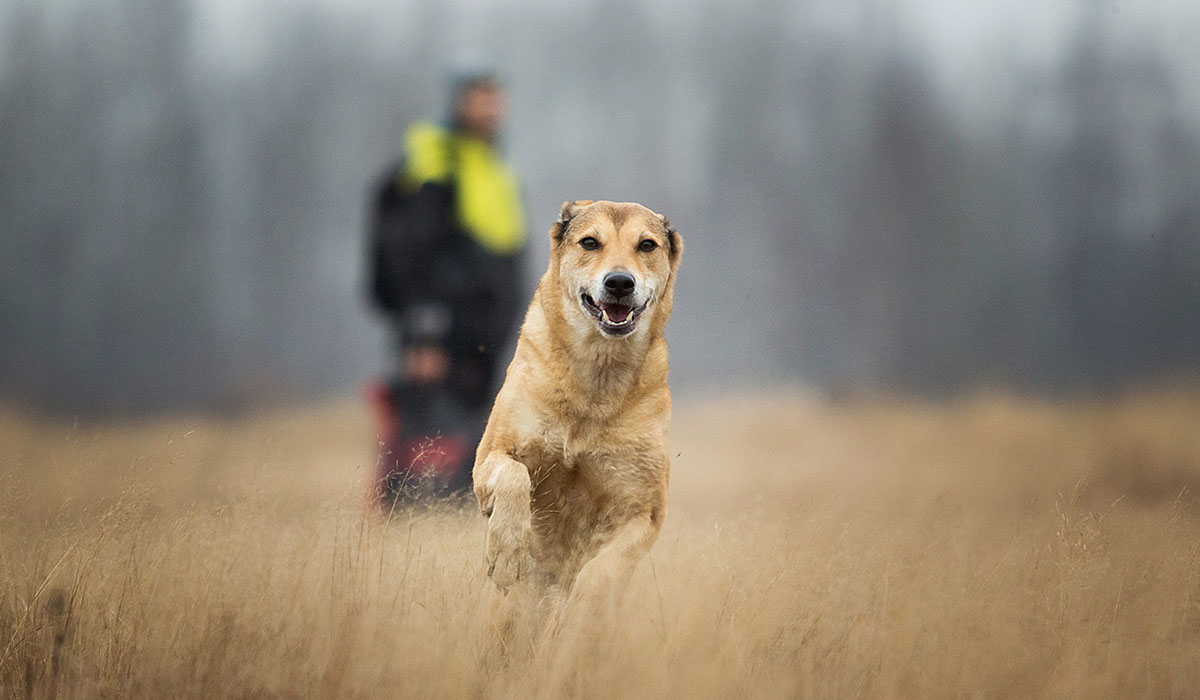
Wildfire season can turn an ordinary summer day into an uncertain one. Smoke may drift into the Fraser Valley from a fire located many kilometres away, while changing conditions can lead to emergency alerts with little notice. For pet owners in Chilliwack, preparing before either situation develops can make it much easier to protect every member of the household.
National Pet Fire Safety Day on July 15 offers a timely reminder to include animals in fire and evacuation planning. A few practical steps—monitoring air quality, recognizing respiratory symptoms and packing pet supplies—can make a meaningful difference when conditions change.
How Wildfire Smoke Can Affect Pets
Wildfire smoke contains fine particulate matter and other pollutants that can travel far beyond the location of an active fire. Even when flames are nowhere near Chilliwack, changing wind patterns may affect local visibility and air quality. The Government of British Columbia recommends checking current information about forest fires and air quality during wildfire season and reducing exposure when smoke levels rise.
Dogs, cats and other animals may experience many of the same problems people do in smoky conditions. Their eyes and airways can become irritated, and strenuous exercise may make breathing more difficult.
Some pets may be especially vulnerable, including:
- Brachycephalic breeds with short noses, such as Bulldogs, Pugs, Boston Terriers and Persian cats
- Senior pets
- Puppies and kittens
- Pets with asthma, heart disease or existing respiratory conditions
- Pets recovering from an illness or surgical procedure
- Animals that normally spend long periods outdoors
Cats should also remain inside whenever possible. Smoke particles can settle on their coat and may be swallowed while grooming. Meanwhile, short-nosed dogs already have less efficient airways, so extra care is important when both smoke and summer heat are present. The BC SPCA’s guidance for pets during an air quality advisory provides additional advice for reducing smoke exposure.
Adjust Your Pet’s Routine When Air Quality Drops
A hazy sky or the smell of smoke is a good reason to check local conditions before heading out. Pet owners can review the provincial Air Quality Health Index and active air-quality warnings to determine whether outdoor activities should be shortened or rescheduled.
When smoke is affecting the area:
- Keep windows and doors closed when possible.
- Allow dogs outside only for brief bathroom breaks.
- Skip running, hiking, fetch and other vigorous activities.
- Exercise pets indoors with gentle games or food puzzles.
- Keep fresh drinking water readily available.
- Choose the cleanest, coolest room in the home for resting.
- Replace or clean home air filters according to the manufacturer’s instructions.
Although early mornings and evenings may be cooler, smoke levels can still vary throughout the day. Therefore, checking current conditions is more reliable than relying on temperature or visibility alone.
Pets still need mental stimulation while outdoor activity is limited. Fortunately, short training sessions, treat searches and interactive toys can help prevent boredom without placing extra stress on their lungs.
Watch for Signs of Smoke Exposure
Mild eye watering or an occasional cough may seem easy to dismiss. However, breathing problems can worsen quickly, particularly in pets with existing medical conditions.
According to the American Veterinary Medical Association’s wildfire smoke guidance, possible signs of smoke exposure include coughing, gagging, nasal discharge, eye irritation, unusual breathing noises and difficulty breathing.
Contact a veterinarian promptly if your pet develops:
- Persistent coughing or gagging
- Red, irritated or watery eyes
- Nasal discharge
- Wheezing or noisy breathing
- Faster breathing than usual while resting
- Weakness or unusual fatigue
- Reduced appetite or thirst
- Confusion, stumbling or disorientation
Open-mouth breathing in a cat, blue or pale gums, collapse, severe weakness or obvious difficulty drawing breath should be treated as an emergency.
During regular business hours, Vedder Mountain Veterinary Clinic provides emergency and urgent veterinary care for pets in Chilliwack, Sardis and surrounding communities. Please call before arriving whenever possible so our team can prepare for your pet.
Pack a Pet-Specific Evacuation Bag
An evacuation order is not the ideal time to search for a carrier, refill a prescription or locate vaccination records. Instead, keep a pet grab-and-go bag somewhere accessible and review its contents regularly.
The BC SPCA emergency evacuation checklist recommends including identification information, medications, medical records, pet photographs and appropriate transportation supplies.
Your pet’s emergency kit should contain:
- Food, water and portable bowls
- Any daily medications and clear dosing instructions
- Copies of vaccination and medical records
- Your veterinarian’s contact information
- A recent photograph of each pet
- Microchip, tattoo and licence information
- A collar or harness with an up-to-date identification tag
- A sturdy carrier for every cat or small animal
- A leash and secure harness for every dog
- Cat litter, a small litter tray and waste bags
- Bedding, a towel or another familiar comfort item
- Basic cleaning supplies
- A pet first aid kit
In addition, check medication expiration dates and replace older food periodically. Pets with chronic medical conditions may require special foods, syringes, refrigerated medication or other supplies, so their evacuation plans should be more detailed.
Keep digital copies of important records on your phone or in secure online storage. Physical papers can be lost or damaged, while a digital backup remains easier to access from another location.
Know the Difference Between an Evacuation Alert and an Order
An Evacuation Alert means you should be ready to leave on short notice. Bring pets indoors, place carriers near the exit, load supplies into your vehicle and confirm where your family can stay.
An Evacuation Order means you and your pets must leave immediately. Follow the routes and instructions provided by local officials rather than taking shortcuts or returning for forgotten belongings.
The Government of British Columbia’s emergency preparedness guidance for pets recommends identifying more than one possible destination. Some evacuation centres or temporary accommodations may have limited capacity for animals, so arrange backup options with friends, relatives, boarding facilities or pet-friendly hotels before an emergency occurs.
The City of Chilliwack uses Alertable to send local emergency notifications about events such as fires and floods. Residents can receive notices through the app, email, text message or phone call. Signing up before an emergency helps ensure you receive local instructions as quickly as possible.
Once an alert has been issued:
- Bring outdoor pets inside immediately.
- Place cats and small pets in a secure room where they cannot hide.
- Attach identification to carriers, leashes and harnesses.
- Put evacuation bags near the door or inside the vehicle.
- Keep your vehicle fuelled and facing the direction you would leave.
- Assign each family member responsibility for a specific pet.
- Continue monitoring official local updates.
Most importantly, never leave pets behind during an evacuation. Conditions may prevent you from returning home for an extended period.
Preparation should include more than food and transportation. Pets with ongoing medical needs may require prescription refills, updated laboratory testing or written treatment instructions before wildfire conditions become serious.
Consider scheduling a veterinary visit if your pet:
- Has an existing heart or respiratory condition
- Takes medication that is running low
- Has not had a recent wellness examination
- Needs updated vaccinations or medical records
- Becomes extremely anxious in a carrier or vehicle
- Has shown breathing problems during previous smoky periods
Planning ahead also gives you time to confirm your pet’s microchip information, discuss travel anxiety and request copies of important records.
Wildfire smoke and evacuation alerts can be stressful, but preparation provides a sense of control. Monitor local conditions, keep your pet’s supplies ready and pay close attention to changes in breathing or behaviour. If you are concerned about how smoke may affect your companion, contact Vedder Mountain Veterinary Clinic. Our team is here to help Chilliwack families keep their pets safe throughout wildfire season.